IPMAT After 12th: The Ultimate Guide for Commerce Students
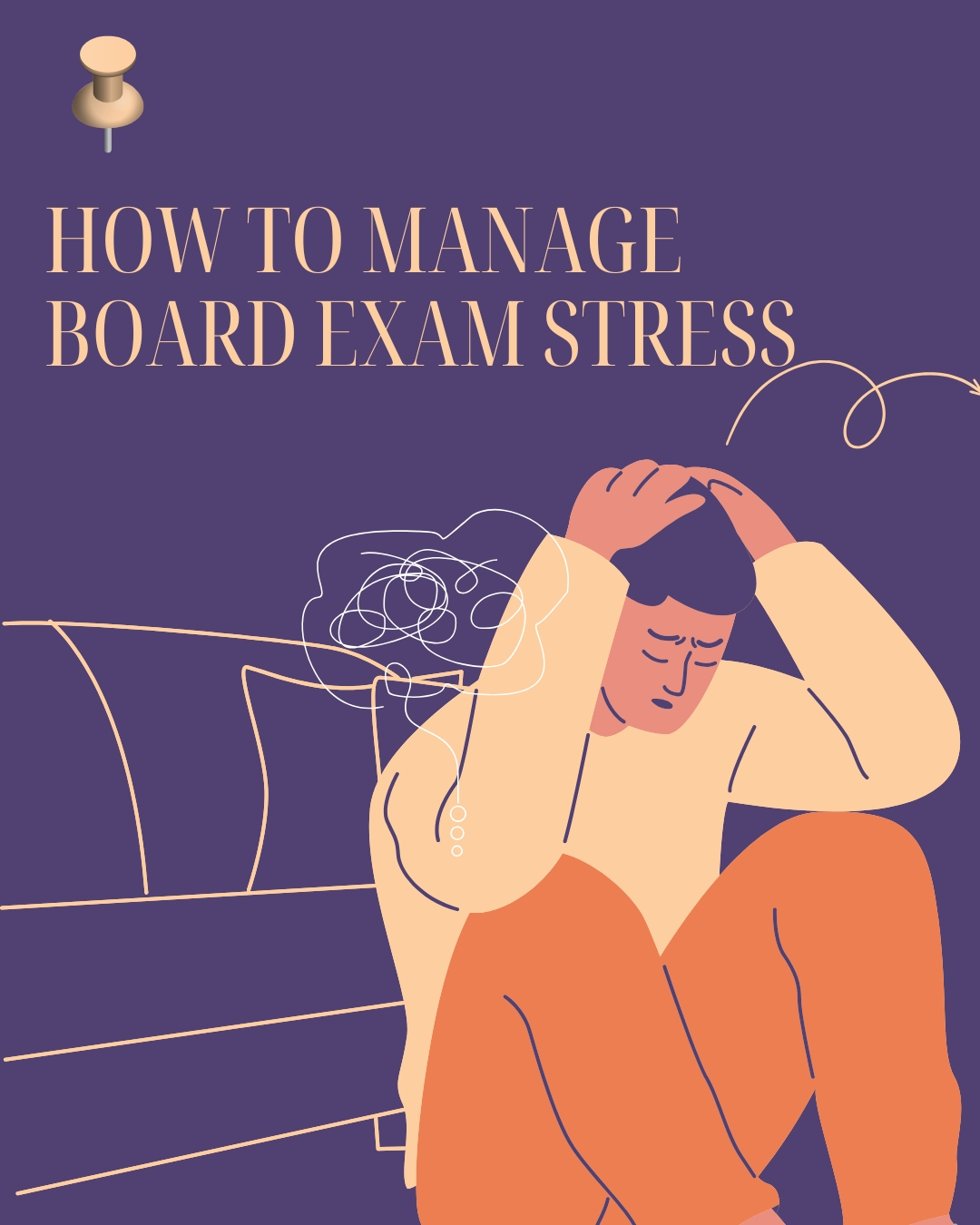
Board exams are not just a test of knowledge. They are a test of strategy, revision and mindset.
As a career counsellor working with Class 10–12 students for years, I have seen one truth:
Students do not fail because the syllabus is hard.
They fail because they do not know how to study smart.
If you are feeling stressed, overwhelmed, or scared of the 12th board exams, you are not alone.
What you need is a clear, practical, and proven system.
Here are the 3 expert approved study methods that toppers quietly use, now simplified for you.
1. The 90–60–30 Formula: Study Less, Learn More
Most students think scoring well means studying 6–8 hours a day.
But toppers follow a smarter method, the 90–60–30 formula, which builds understanding, application and recall in one cycle.
How it works
- 90 minutes – Learn a new topic
Read NCERT, class notes, and teacher explanations. - 60 minutes – Practice questions on the same topic
Apply what you learned immediately to lock in the concept. - 30 minutes – Revise the same topic again
A quick recap to move the topic into long term memory.
Why this reduces exam stress
It trains your brain in the same sequence the board exam follows:
Understand → Apply → Recall
When your study method matches the exam pattern, fear automatically drops.
Example
Topic: Macroeconomics – National Income
- 90 min → Read NCERT and notes
- 60 min → Solve numericals and exercises
- 30 min → Write a 1 page summary
In 3 hours, you gain clarity, practice, and confidence, without burnout.
2. The Output Method: The Number One Trick Toppers Use
Most students make the mistake of only reading their textbooks.
But CBSE board exams do not test what you read.
Boards test what you can write.
This is why toppers use the Output Method.
How to use the Output Method
- After finishing a chapter, choose one:
- Teach the chapter to someone in 3 minutes
- Write a summary without looking
- Make a formula sheet
- Solve 10–12 questions immediately
Why this reduces exam pressure
Producing output tells your brain:
I know this. I can write it in the exam.
It also boosts memory three times because active recall is scientifically proven to strengthen understanding.
This method is used by CA rankers, ACCA students, UPSC toppers, JEE and NEET high performers, and it works brilliantly for Class 12 boards.
3. The 3 Layer Revision Technique: The Most Effective Revision System
Board exam stress peaks during revision time.
Why?
Because students revise randomly and forget what they studied.
Here is the ultimate structure that solves everything, used by coaching institutes and toppers.
Layer 1: Concept Revision (Days 1–15)
Goal: Understand
- Read NCERT and notes
- Highlight important lines
- Focus on concept clarity
Example: In Business Studies, read Principles of Management with real life examples.
Layer 2: Question Practice (Days 16–30)
Goal: Recognise exam patterns
Solve:
- NCERT exercise questions
- Sample papers
- Last 5 years PYQs
- Teacher worksheets
This helps you understand what CBSE likes to ask repeatedly.
Layer 3: Mock Paper Simulation (Day 31–Exam)
Goal: Train for real exam pressure
- Write 2–3 full papers per subject
- Time yourself properly
- Analyse mistakes
- Revise your weak areas
Mock tests reduce actual exam fear by 70 percent because your brain feels:
I have already written this paper before.
Final Thoughts: You Do Not Need More Hours — You Need Better Methods
Exam stress does not disappear by studying more.
It disappears when you study smarter.
Use these three techniques consistently:
- 90–60–30 Formula to structure your sessions
- Output Method to build confidence
- 3 Layer Revision System to master the syllabus
You will see your stress drop while your marks rise.
Want a personalised study plan for your subjects?
I can create a customised board exam strategy for Accounts, Economics, Business Studies or any stream.
Just comment BOARD READY or reach out for a personalised plan.
Recent posts
Categories
Book Your Personalized Session
Error: Contact form not found.