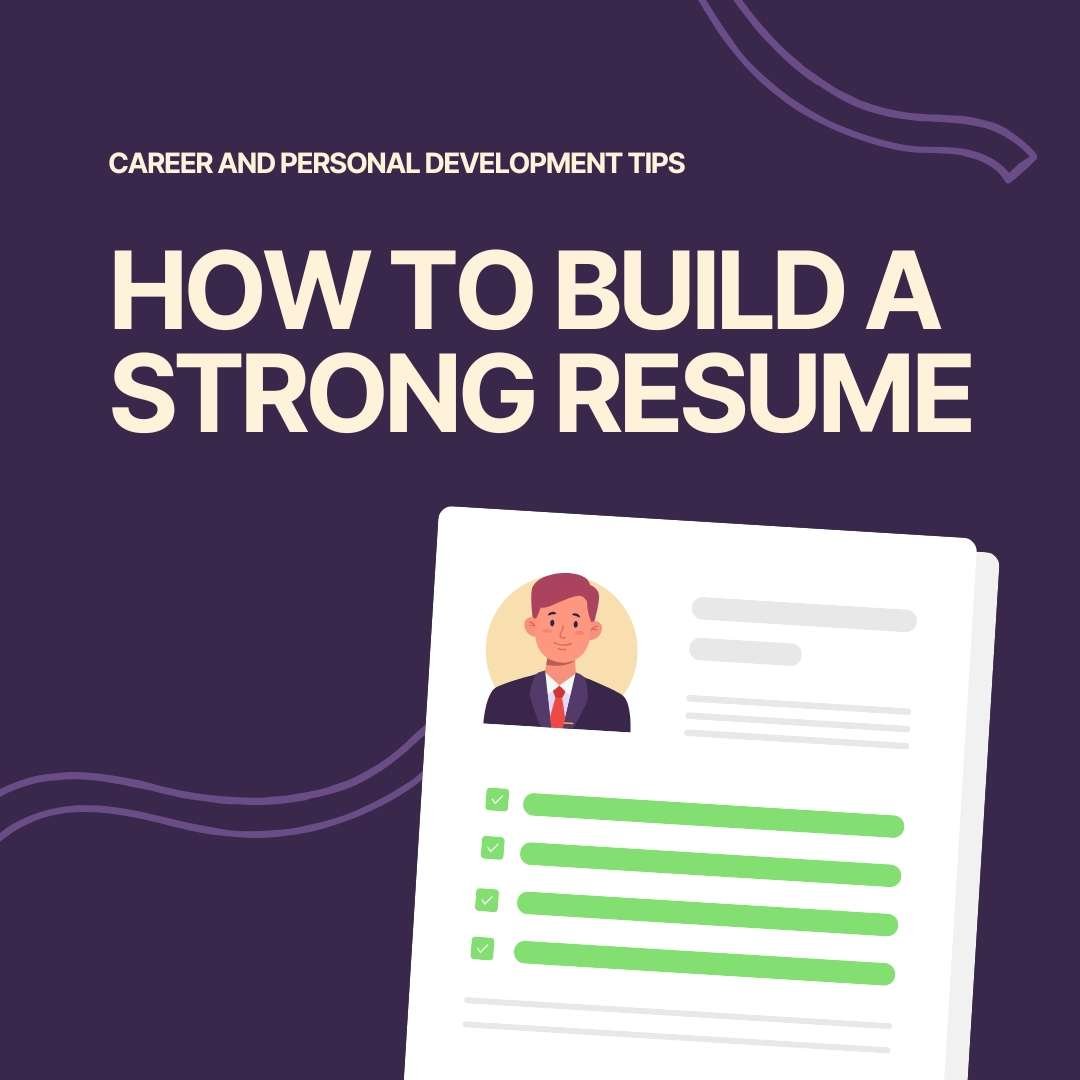
How to Build a Strong Resume with Zero Work Experience
So, you’re applying for internships, scholarships, or even your first job, but you’ve hit a wall.
You open your resume… and it feels blank.
What do I even write if I have zero experience?
Take a deep breath. You’re not alone, and you’re not at a disadvantage.
As a career coach who’s helped hundreds of students through career counselling in Jaipur, I can assure you:
Experience isn’t everything. Storytelling, clarity, and confidence are.
Here’s how to build a resume that stands out—even when you’re starting from scratch.
- 1. Start with a Strong Summary Statement: Use this top section to tell the reader who you are and what you aim to do. Even with no work experience, this is your chance to share your purpose.
- Example: A BBA student passionate about marketing and digital storytelling. Seeking an internship to apply my creative thinking and communication skills in a real-world setting.
This is the first thing recruiters see: make it count.
- 2. Highlight Your Education Smartly: Your academics can tell a story, too. Mention:
- Degree, college name, and expected graduation year
- Awards or academic achievements
- Key subjects or projects relevant to the role
Pro Tip: If you have a strong percentage or GPA, flaunt it!
- 3. Projects Matter More Than You Think: Did you do a class project that involved research, presentation, teamwork, or problem-solving? List it! Talk about:
What the project was
Your role in it
Tools or skills used (like Excel, Canva, PowerPoint, etc.)
The outcome (did it win praise? Solve a problem?)
This shows initiative, collaboration, and real effort.
- 4. Don’t Skip Internships or Volunteer Work (Even Short Ones): Even one-week internships, shadowing experiences, or volunteering in college fests count. Employers want to see that you’ve explored the real world, even in small ways.
- Use bullet points like:
Assisted in data entry and learned Excel shortcuts
Coordinated 5+ volunteers for college fest registration
Managed Instagram stories during the XYZ event, improving reach by 30%.
- 5. Add a Skills Section (Tailored to the Job): Don’t just list every tool you’ve touched. Highlight what’s relevant to the job you want.
Soft Skills: Communication, teamwork, adaptability
Hard Skills: MS Office, Canva, Social Media, Python, Research tools, etc.
Pair each skill with proof in your resume (i.e., where you used it).
6. Certifications and Online Courses Are a Bonus: If you’ve taken a course on Coursera, Udemy, or via college, add it. It shows that you’re proactive and willing to learn.
Example: Google Digital Garage: Fundamentals of Digital Marketing – May 2024
- 7. Include Extra-Curriculars and Leadership Roles: Your involvement in student clubs, debate competitions, sports, and other extracurricular activities showcases your personality. Recruiters love candidates who do more than attend classes.
Examples:
Class Representative for 2 semesters
Lead singer in college band – performed at 3 fests
Volunteer at blood donation drives
8. Make It Clean, One Page, and Error-Free: Use simple formatting, proper spacing, and one consistent font. Always proofread or ask someone to review it (or better—ask your career coach).
Final Thought
Your resume is not about where you’ve been, it’s about where you’re going, and how prepared you are to get there. Everyone starts somewhere. What matters is how well you tell your story.